What Your Dewatering Data Already Knows About Your Next Pump Failure
Justin Duffy has published a piece in Pumps & Systems on something most mine sites already have and few use well: the operating data behind their dewatering pumps.
His starting point is a number many operations never calculate. Pump failures underground become so routine they stop being counted as events. Add the replacement units, maintenance labour and production lost while crews change out a pump, and the annual cost at a large site can run into millions of dollars. Making that number visible moves dewatering from a maintenance line item to a management decision.
From there, the article shows what the data can reveal. A cost-and-failure analysis highlights whether the pumps on site are matched to the application. Some units are built for short service intervals and regular replacement. Others are engineered to stay in a harsh sump far longer. Comparing real-world performance against expected maintenance intervals is how an operation learns which type it bought.
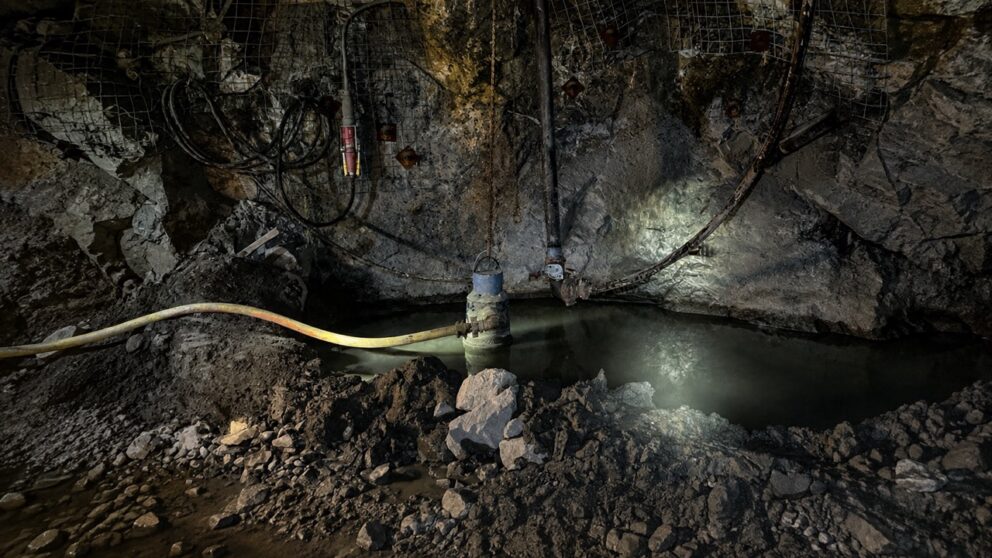
Maintenance records only go so far. Justin makes a strong case for on-site assessment. Static head, inflow rates, pipe sizing, pumping distance and water composition all shape pump behaviour in ways a spreadsheet never shows. Seeing the sump matters.
He also lists practical questions every site should ask:
- Are pipe diameters correctly sized?
- Are check valves and float systems positioned where they should be?
- Was the equipment designed to handle the shotcrete fibre, sediment and slurry going through it?
Oversized pumps are a common finding. Checking each unit against its best efficiency point often changes the conversation about both running cost and what to buy next.
The practical takeaway is a phased plan. Fix the worst trouble spot first. Build an accurate system curve from field measurements rather than original design assumptions. Then prioritise wider upgrades as budget and conditions allow. Short cycling, reverse impeller rotation and premature motor failure all drop along the way.
This is how we approach dewatering at PumpEng. Understand the site, then use the right pump for the job.
Read the full article in Pumps & Systems:
Leveraging Data to Optimize Mine Dewatering Pump Performance
We would be very interested in your perspective. When did you last calculate what pump failures cost your operation across a full year? And what do you measure to know whether a dewatering pump is earning its place?